
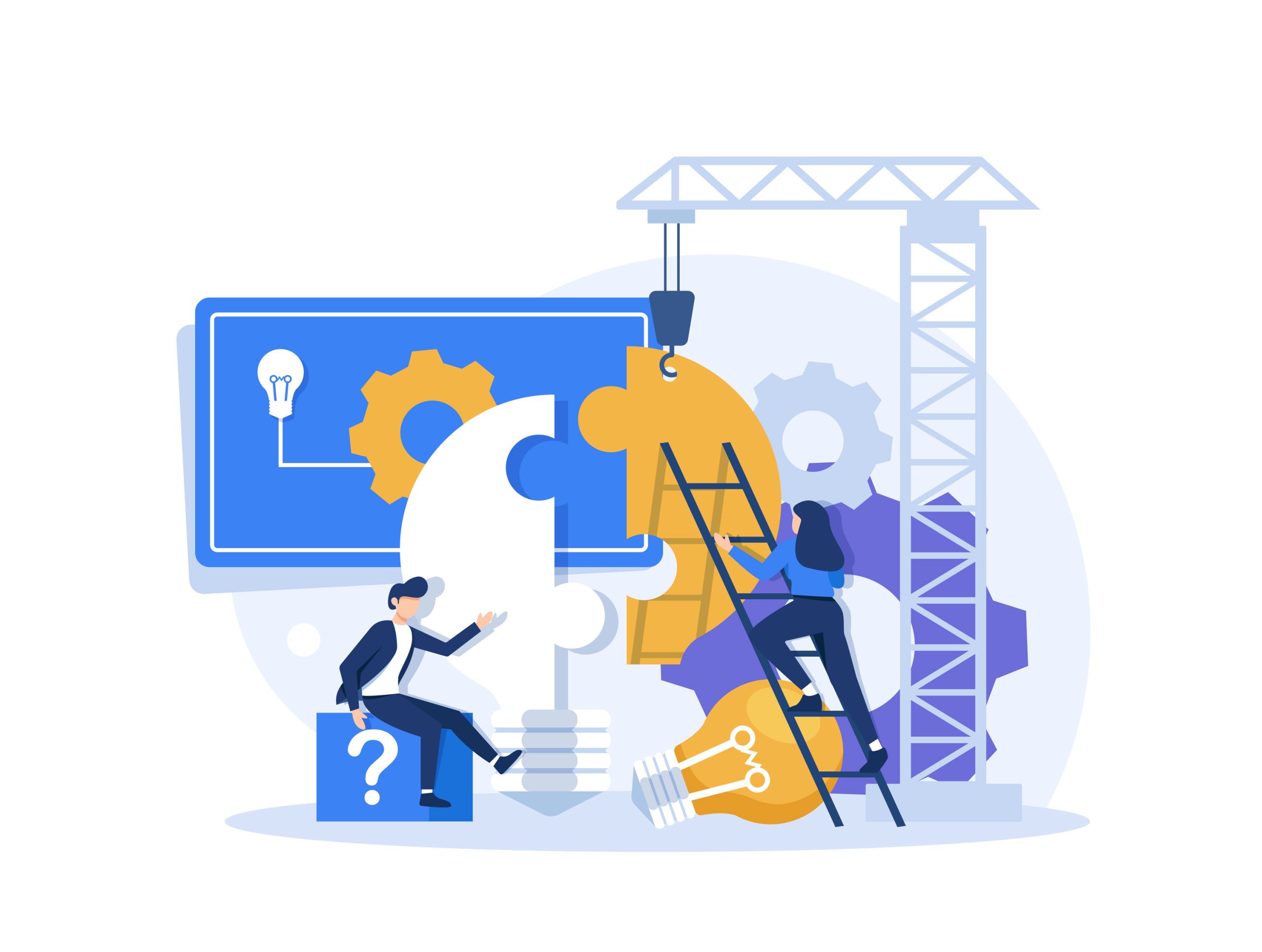
Internal Developer Platforms (IDP): Build or Buy?
As companies grow, software teams often face the same problem: developers spend too much time dealing with infrastructure instead of building products. YAML files, Kubernetes clusters, and CI/CD pipelines can quickly become a distraction from real engineering work.
That is where an Internal Developer Platform (IDP) comes in. An IDP gives developers a self-service way to work faster, reduce friction, and focus on shipping software. But for many CTOs and engineering leaders, one big question remains: should you build your own platform, or should you buy one?
Why Platform Engineering Matters
The main purpose of an IDP is not just automation. It is to improve the developer experience.
A good platform lets developers create environments, manage services, and deploy code without waiting on support from DevOps teams. This saves time, reduces delays, and helps teams move faster. In practice, that means less waiting, fewer manual tasks, and a smoother path from code to production.
The Case for Building
Some large tech companies chose to build their own internal platforms because they had very specific needs and massive scale. For them, custom tools made sense.
Building your own IDP can give you full control. You can design it around your stack, your security needs, and your internal workflows. You also avoid vendor lock-in, since you own the code and can shape the roadmap yourself.
But there are serious trade-offs. Building an IDP takes time, skill, and ongoing effort. Senior engineers may spend months building internal tools instead of improving the product your customers actually use. And once the platform is live, it does not stop there. It needs constant support, updates, bug fixes, and security work.
There is also the hiring challenge. Finding platform engineers who can build and maintain these systems is not easy, and it can be expensive.
The Case for Buying
For most growing companies, buying or outsourcing an IDP is the faster and safer option.
A ready-made platform helps teams reach maturity much faster than building everything from scratch. Instead of spending a year creating internal tooling, you can get up and running in weeks. You also benefit from proven best practices, since the platform has likely been used and tested by many other teams.
Another major advantage is predictability. A subscription or contract is usually easier to plan for than the cost of a full internal team. That makes budgeting simpler and reduces long-term uncertainty.
The trade-off is flexibility. A ready-made platform may not match every internal workflow perfectly, so teams may need to adjust some processes to fit the system.
Build vs Buy
| Feature | Build Internally | Buy or Outsource |
| Setup Time | 6 to 18 months | 2 to 4 weeks |
| Main Focus | Tooling and infrastructure | Product development |
| Long-Term Support | Internal team and payroll | Predictable contract or subscription |
| Scalability | Manual effort required | Built-in scalability |
This comparison shows the real choice clearly. Building gives you control, but buying gives you speed and focus.

DoneDeploy’s View
At DoneDeploy, we often see teams fall into the trap of internal tooling debt. It starts with a small script or simple workflow, but over time it grows into a complex platform that is hard to maintain and even harder to improve.
Our view is simple: your developers’ time is valuable. If your company is not in the business of building DevOps tools, you should think carefully before building a platform from scratch. In many cases, partnering with infrastructure experts gives you the same power without the long delay and long-term overhead.
Final Thought
An IDP can be a powerful asset, but only if it supports your real business goals. For many teams, the smartest move is not to build everything themselves, but to choose a solution that helps them move faster and stay focused.
If your company’s core product is not DevOps tooling, then building an internal platform may not be the best use of time or talent. Let your team focus on the product that makes your company different, and let the infrastructure experts handle the rest.
Share this article
Follow us
A quick overview of the topics covered in this article.
Latest articles
July 11, 2026
July 11, 2026
July 11, 2026