

Puppet
Agent-based configuration management for large fleets. Puppet is a configuration management tool in which agents on each server regularly fetch and apply a declared configuration from a central server. Configuration is written in Puppet's own declarative language and organised into modules. It has been used for many years to keep large fleets of Linux and Windows servers consistent.
When it is the right choice
- You already have a Puppet estate managing many long-lived servers
- You need continuous enforcement where servers correct drift on their own
- You need detailed reporting on the configuration state of every machine
- Usually not the first choice for new projects; recent changes to open-source builds mean you should check the current distribution and licence options
How we use it
- Take over and clean up existing Puppet code, modules and server setups
- Put Puppet code under CI with linting and tests before it reaches servers
- Monitor agent runs and failures so drift and errors are visible
- Plan gradual migrations to Ansible or images when that reduces effort
 Linux
 Ansible
 Terraform
Related articles
 Cloud Platforms: Executive GuideCloud & DevOps solutions for AWS, Azure, GCP—DoneDeploy experts in consulting, automation, and growth.
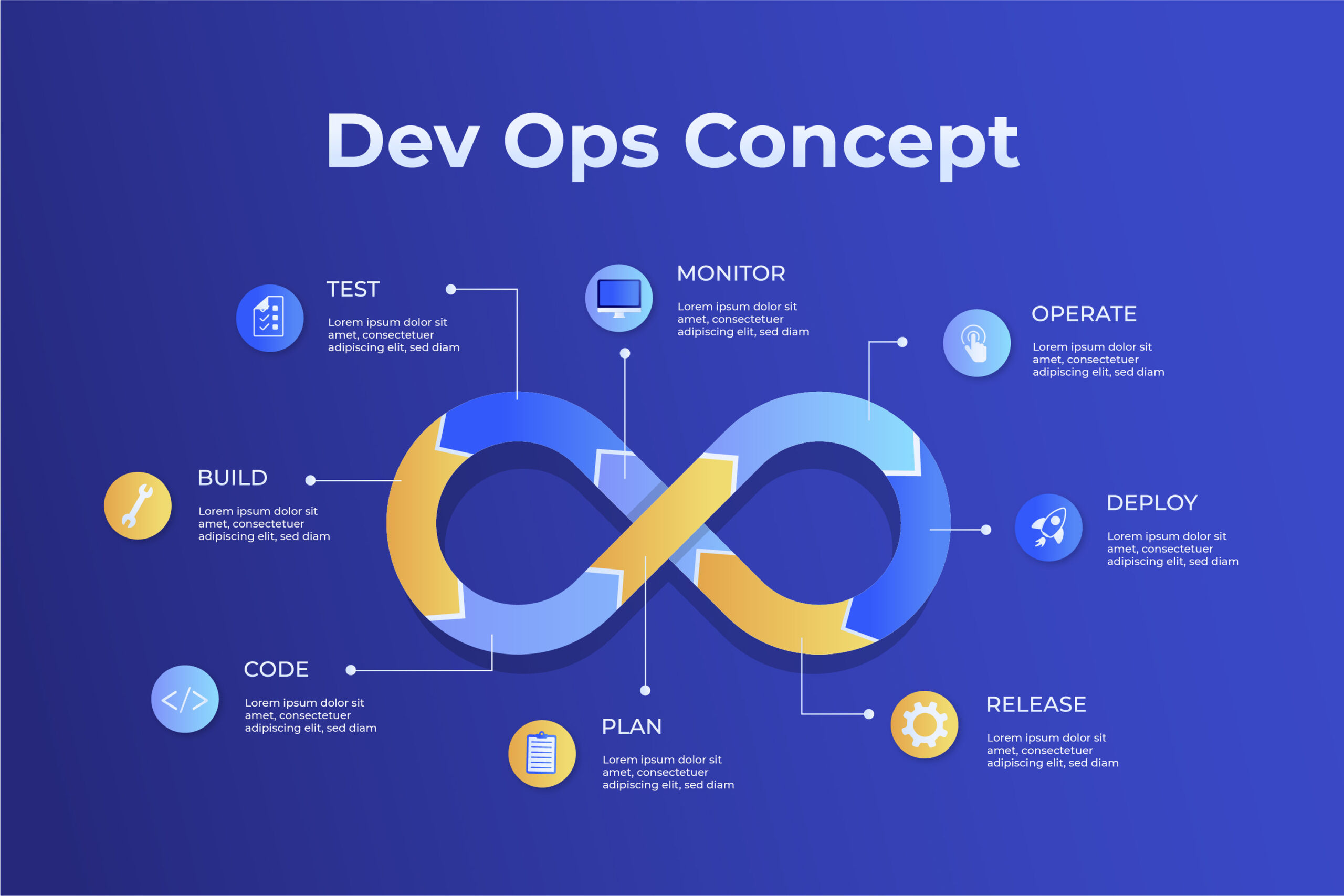 DevOps Automation GuideExplore DevOps automation, monitoring, cloud DevOps, and best practices like Continuous Integration and Continuous Deployment for effective DevOps
 Top 10 DevOps Configuration Management ToolsExplore the top 10 DevOps configuration management tools like Ansible, Terraform, and Chef to automate, stabilize, and optimize your CI/CD pipelines.
Puppet: frequently asked
Should we move from Puppet to Ansible?
Not automatically. If Puppet works and your team knows it, keep it; a migration makes sense when you are changing how servers are built anyway.
Is Puppet still open source?
Puppet's owner changed how open-source builds are distributed, and the community created a fork called OpenVox. Check the current options before planning new work.
Running Puppet, or deciding whether to? Tell us what you have; the first consultation is free.
Let's talk »