
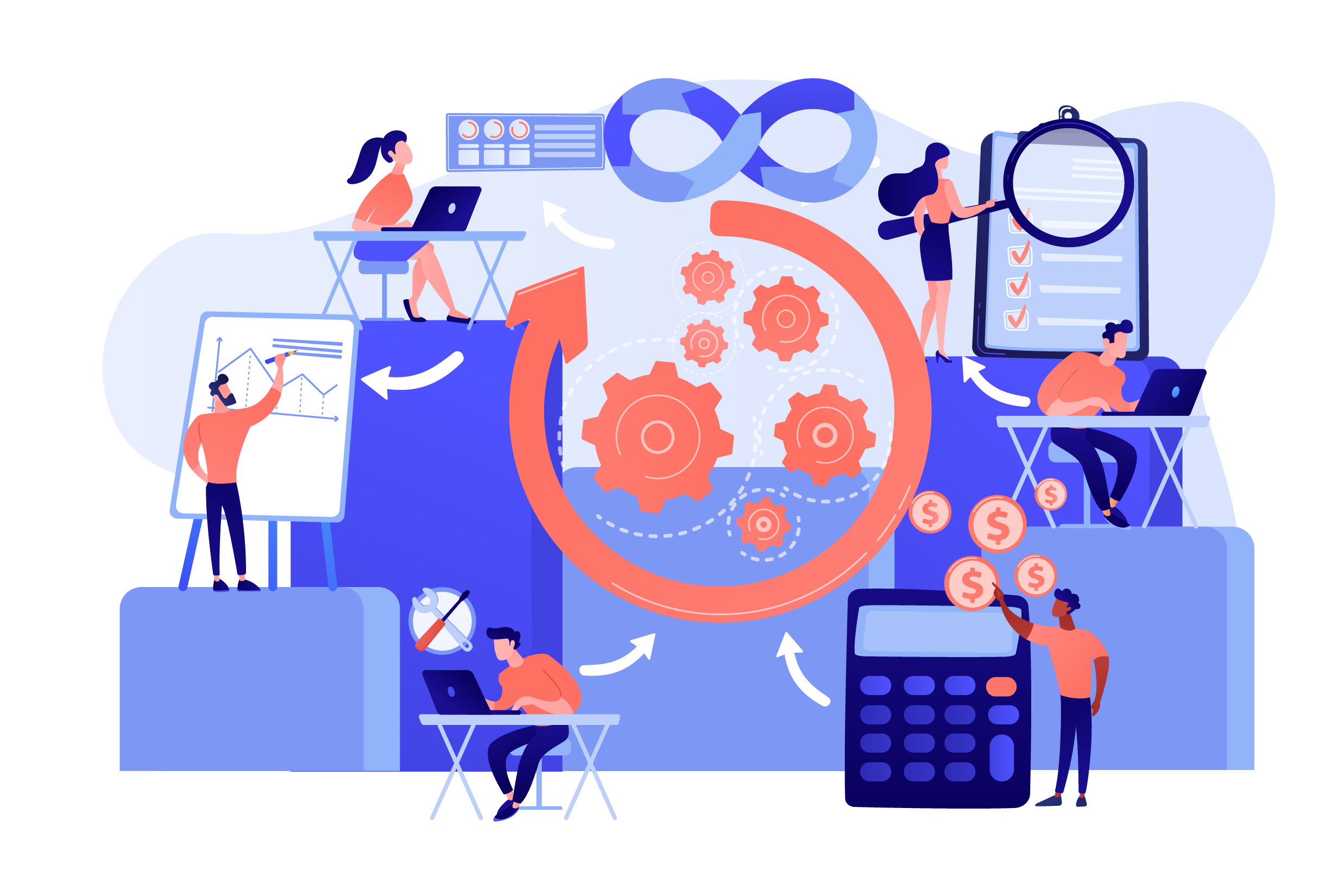
The Hidden Cost of Manual Infrastructure
Most infrastructure problems are not caused by outages.
They are caused by repetition.
The same environments get rebuilt manually.
The same deployment steps get repeated across teams.
The same configuration mistakes appear again and again because critical processes still depend on human intervention.
At first, manual infrastructure feels manageable.
A few scripts.
A few engineers who “know how things work.”
A few undocumented deployment steps that only exist in someone’s memory.
But as systems grow, those small inefficiencies turn into operational risk.
Manual Work Does Not Scale
Every manual process introduces inconsistency.
One engineer deploys differently from another.
One environment behaves slightly differently from production.
One forgotten configuration change causes hours of debugging later.
The larger the infrastructure becomes, the more expensive these inconsistencies get.
Not only in downtime.
But in:
- slower deployments
- longer incident recovery
- onboarding delays
- engineering burnout
- hidden operational overhead
Infrastructure Should Be Repeatable
Reliable systems are usually built around one principle:
Repeatability.
Environments should be reproducible.
Deployments should behave predictably.
Configuration changes should be traceable.
Recovery processes should not depend on a single person being online.
The goal is not simply automation for the sake of automation.
The goal is reducing uncertainty.

Operational Complexity Grows Quietly
One of the most dangerous parts of manual infrastructure is that the cost grows slowly.
Teams often do not notice the problem until:
- deployments become stressful
- outages take longer to resolve
- scaling requires constant coordination
- engineers spend more time maintaining systems than improving them
By that point, operational complexity is already slowing the entire organization down.
Strong Infrastructure Reduces Cognitive Load
Well-designed infrastructure is not just about servers and deployments.
It is about creating systems where engineers can focus on solving problems instead of managing fragile processes.
The less time teams spend repeating manual tasks, the more time they have for reliability, performance, and product improvement.
Share this article
Follow us
A quick overview of the topics covered in this article.
Latest articles
October 22, 2026
October 22, 2026
October 22, 2026